When venturing into forestry projects, selecting the right equipment is essential for efficiency and effectiveness. The landscape can be daunting, filled with dense underbrush, fallen trees, and challenging terrain. Whether you are involved in land clearing, vegetation management, or habitat restoration, understanding the various types of forestry equipment available will help streamline your operations and achieve your goals.
Understanding Your Needs
Before diving into specific equipment types, it’s crucial to identify your project's requirements. Are you focused on clearing large tracts of land for development? Or perhaps your goal is to manage invasive species in a delicate ecosystem? Each project has unique needs that dictate the best equipment choices.
Land clearing often requires heavy-duty machinery capable of handling significant debris and obstacles. Conversely, projects aimed at fuel reduction or wildfire mitigation may need lighter, more agile tools that can navigate sensitive areas without causing additional damage. By clearly defining your objectives, you can narrow down the equipment choices that will serve you best.
Key Categories of Forestry Equipment
The world of forestry equipment is vast, encompassing a range of machines designed for specific tasks. Here are some primary categories to consider:
Mulchers
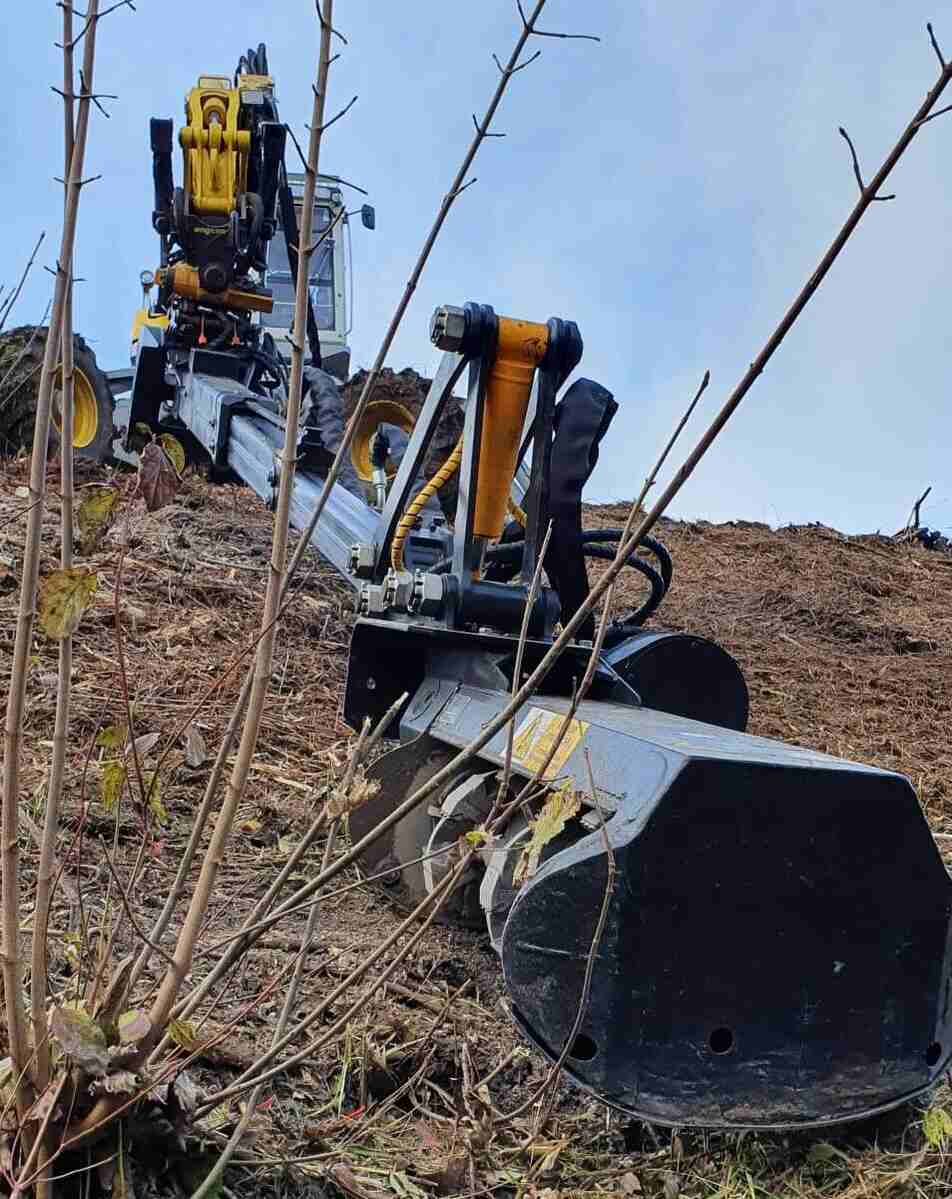
Forestry mulchers are vital for managing vegetation effectively. These machines can handle everything from light brush to substantial tree trunks. They come in several forms including skid steer mulchers, tractor mulchers, excavator mulchers, high flow mulchers, drum mulchers, and disc mulchers. Each type has its strengths:
- Skid Steer Mulcher: Ideal for smaller jobs where maneuverability is essential. It attaches to a skid steer loader and allows for precise operation in tight spaces. Tractor Mulcher: While versatile and powerful, these are better suited for larger areas where mobility isn't as much of a concern. Excavator Mulcher: This option allows operators to reach difficult spots with ease thanks to the extended reach of the excavator. High Flow Mulcher: Designed for high-powered machines; it can tackle more robust vegetation rapidly. Drum vs Disc Mulcher: Drum mulchers tend to offer a more aggressive cut due to their design but might require more maintenance compared to disc options.
Choosing between these options often comes down to the scale of your project and the type of vegetation involved.
Stump Grinders
https://spidermaxusa.com/our-solutions/Stump grinding is another critical task in forestry management. After trees are felled or removed from an area, their stumps can pose significant obstacles. Stump grinders use rotating blades to chip away at stump wood until it is ground down below ground level. This not only enhances aesthetics but also prevents regrowth and pests from taking root.
When considering stump grinders, factors like horsepower and cutting depth are important. A higher horsepower machine can handle larger stumps efficiently while offering greater durability over time.
Brush Cutters
Brush cutters are excellent tools for clearing thick brush or small trees that might not require full-scale mulching. They come equipped with different cutting heads that allow operators to tailor their approach based on specific conditions—be it clearing tall grass or tackling thicker undergrowth.
Using brush cutters effectively means understanding how depth affects performance; deeper cuts generally yield cleaner results but may also risk damaging underlying soil or other plants.
Considerations for Equipment Selection
Besides understanding what each type of machinery does, there are several considerations when selecting equipment:
Terrain Type: Flat land might allow the use of heavier machinery while hilly or rocky terrains may necessitate lighter models. Project Size: Larger projects often justify investing in more robust equipment capable of handling extensive clearing tasks. Environmental Impact: Eco-friendly practices should guide your choices; opting for machines that minimize soil disturbance helps preserve delicate ecosystems. Budget Constraints: Weighing rental costs versus purchase prices is critical; if projects are infrequent, renting might be more prudent than buying outright. Maintenance Requirements: All machines require upkeep; understanding what maintenance looks like will help avoid unexpected downtime during operations.Rental vs Purchase
Deciding whether to rent or purchase forestry equipment hinges on multiple factors including frequency of use and budget constraints. If you're undertaking one-time projects such as site preparation or lot clearing, rentals provide flexibility without long-term commitment costs associated with ownership.
On the other hand, if forestry work becomes a regular part of your business model—like ongoing right-of-way maintenance—investing in quality machinery may ultimately save money over time through reduced rental fees and increased efficiency on future jobs.
Practical Applications
To illustrate these concepts further, consider two hypothetical scenarios:
A construction company preparing a site for new homes faces extensive undergrowth and scattered tree stumps across five acres. Their best bet would be employing an excavator mulcher paired with a stump grinder to quickly clear the area while maintaining control over debris size.
A local conservation group working on invasive species removal within an environmentally sensitive area opts for brush cutters alongside light-duty skid steer mulchers—allowing them precision control without disturbing surrounding native plants excessively.
These examples highlight how tailored approaches using appropriate machinery lead directly to successful project outcomes.
The Importance of Operator Skill
Owning advanced machinery is only part of the equation; operator skill plays an equally critical role in ensuring effective project completion safely and efficiently. Training programs focusing on proper techniques not only improve productivity but also enhance safety protocols when dealing with powerful tools across diverse landscapes.
Investing time into operator training pays dividends in maximizing machine capabilities while minimizing risks associated with improper usage—a factor that cannot be overlooked given potential liability issues stemming from accidents on job sites.
Final Thoughts on Choosing Equipment
Selecting the right forestry equipment demands careful consideration grounded in an understanding of both project specifics and machinery capabilities available today—from mulch depth requirements during forest mastication efforts down through operator training essentials—all play pivotal roles toward achieving desired outcomes successfully while adhering closely aligned environmental standards throughout various tasks undertaken daily by professionals across this essential industry sector worldwide.
By approaching decisions methodically based upon informed assessments rather than impulse purchases driven merely by brand popularity alone ensures responsible stewardship moving forward within our collective responsibility toward sustainable land management practices necessary now more than ever before!